On August 7, 2024, Thailand’s Constitutional Court dissolved the Move Forward Party, the nation’s largest political party. The court’s decision also resulted in jail terms for several of its leaders. This landmark ruling has profound implications for the country’s political landscape, democratic health, and the future of its reformist movements.
The origins of the case
The legal troubles for Move Forward Party began with its predecessor, the Future Forward Party, which was dissolved in 2020 for allegedly violating election laws. Move Forward, led by Harvard graduate Pita Limjaroenrat, continued the predecessor’s mission, advocating for democratic reforms and challenging Thailand’s strict lese-majeste laws, which protect the monarchy from criticism. The court’s recent ruling stated that the party’s actions were hostile/opposed towards the royal institution, leading to its dissolution.
Achievements and political influence
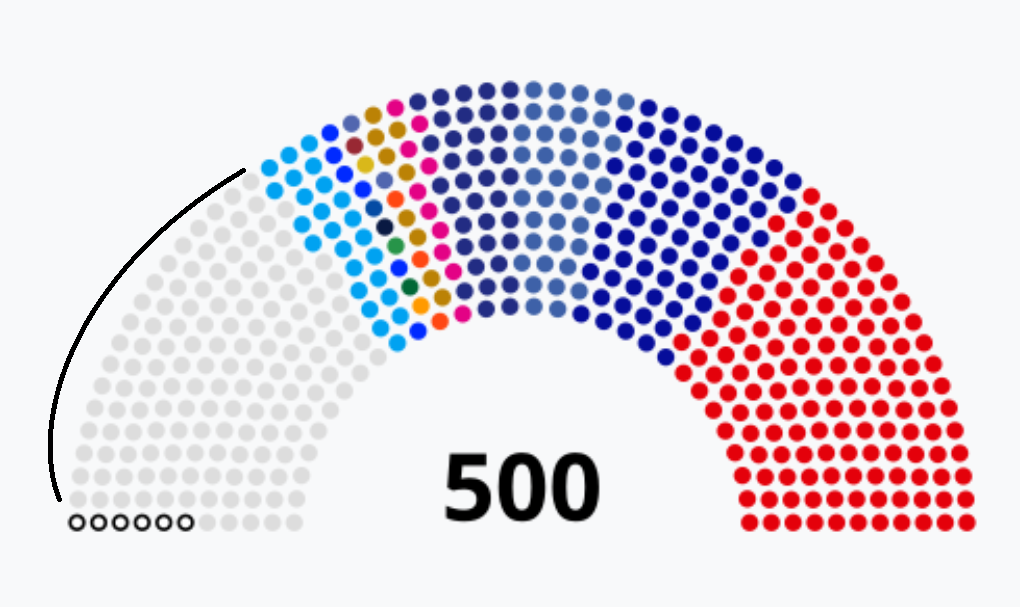
Despite its legal challenges, Move Forward managed to secure significant electoral victories, becoming the largest party in the Thai Parliament with over 14 million votes in the last election. Their success highlighted the increasing support for progressive policies among younger Thai voters, who were eager for economic and political reforms. The party’s platform focused on reducing the military’s influence in politics, reforming the monarchy, and addressing economic inequalities.
From electoral victory to powerlessness
Move Forward’s rise to prominence did not translate into political power. The party was systematically sidelined by a conservative coalition and senators appointed by the previous military-stacked government. The dissolution of the party nullifies the votes of millions of Thai citizens and halts the promising political career of its dynamic leader, Pita Limjaroenrat.
Government response and future prospects
In response to the court’s ruling, the government called an emergency cabinet meeting and formed a team to investigate the incident further. This decision has sparked a wave of disillusionment among young voters and democracy advocates. Many Move Forward lawmakers are expected to join a new party within 60 days, while some may defect to the governing coalition led by Pheu Thai.
Prime Minister Srettha Thavisin, who himself faces potential legal challenges, might see his government destabilized by this ruling. The dissolution of Move Forward is seen by many as a continuation of the “lost decade” of Thai democracy, characterized by military coups and the suppression of free speech.
Interpretations and implications
The international community, including the U.S. State Department, has expressed concern over the ruling, which did not honor the millions of voters. This development underscores the fragile state of democracy in Thailand and the challenges faced by progressive movements in a political environment dominated by conservative and military influences.
Many Thai observers believe that the dissolution of Move Forward is not just a legal matter but a reflection of deep-seated political preferences and the ongoing struggle between reformist and conservative forces in the country. The ruling could potentially isolate another generation of young Thais, driving some to consider leaving the country due to bleak economic prospects and a high cost of living.
Implications for Nepal
Nepal, much like Thailand, has experienced significant political instability over the years, with frequent changes in government and political coalitions. The dissolution of Thailand’s largest party serves as a stark reminder of the vulnerabilities inherent in democratic systems, especially in regions where military and conservative forces hold substantial power.
For Nepal, the Thai scenario and recent global events highlights the importance of safeguarding democratic institutions and ensuring that legal and political processes are transparent and fair. The potential move of removing the voters say and the undermining of democratic reforms could have a negative effect on political participation and public trust in governance.
Nepalese policymakers and political leaders might draw lessons from Thailand’s current situation, emphasizing the need for political stability, adherence to democratic principles, and the protection of civil liberties. Strengthening democratic institutions and preventing undue influence from non-democratic entities will be crucial for maintaining political stability and ensuring the country’s democratic future.
In summary, the dissolution of Thailand’s largest party represents a significant setback for democratic reforms and highlights the ongoing struggle for political power in the country. The future of Thai democracy remains uncertain, with the ruling likely to fuel further political unrest and dissatisfaction among the electorate.