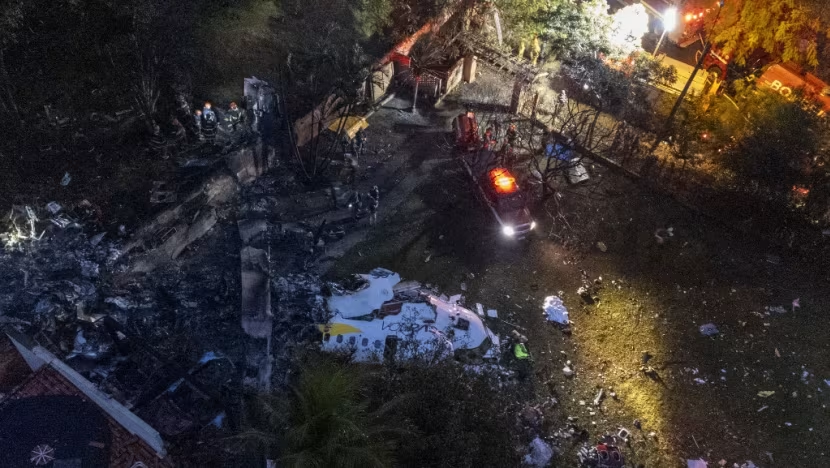
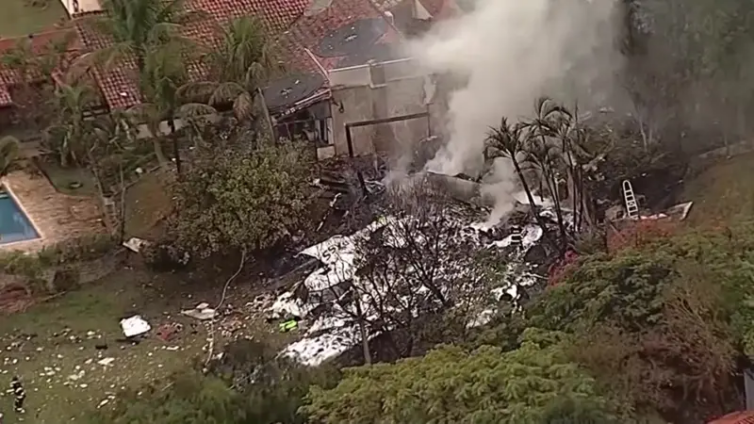
On August 10, 2024, a devastating plane crash occurred in the state of São Paulo, Brazil, resulting in the tragic loss of all 62 passengers and crew aboard Voepass flight 2283. The incident has sent shockwaves across the nation, marking one of the deadliest air disasters in recent Brazilian history. This brazil plane crash as of today is considered to be the worse air crash in 2024, replacing the previous incident with Saurya Airlines.
Background of the Flight
The ill-fated flight 2283 was operated by Voepass, a regional airline known for servicing short-haul routes within Brazil. The aircraft involved in the crash was an ATR 72-500, a turboprop model widely used for regional flights due to its efficiency and reliability. On this occasion, the plane was en route from Cascavel in Paraná state to São Paulo, a journey that should have been routine.
Flight Tracker Data
As per the records from FlightAware, a flight tracking platform – the flight was cruising at it’s normal speed and was less than 30 minutes away from it’s destination with it’s recorded flight time being 1hour 21minutes. The flight was cruising at 17,000 ft with it’s speed 281 mph. However, it quickly started to loose it’s speed and the altitude started to fall very fast. Within a minute the flight has already lost 5,000 ft and it’s speed was down by more than 220mph to now be 70mph. The flight continued to loose it’s altitude significantly and crashed into the grounds 2 minutes later. The social media footages, that’s viral does show the sudden fall of the aircraft. One of which is as below:
In the area where the flight crashed there is an active warning for severe icing between 12,000 feet and 21,000 feet. The flight was flying at 17,000 feet just before the crash which is between that range as per Flighttracker24, which might be one of the reason for the aircraft loosing it’s control.
Flightradar24, X
Details of the Crash
The crash took place near the Capela neighborhood in Vinhedo, a district on the outskirts of São Paulo. Eyewitness reports describe the plane entering a flat spin before descending rapidly and crashing into a sparsely populated area. Despite the proximity to residential zones, there were no casualties on the ground, sparing local residents from the devastation experienced by those aboard the flight.
The Brazilian government responded swiftly, deploying emergency teams including firefighters, military police, and civil defense authorities to the crash site. President Luiz Inácio Lula da Silva expressed his condolences and declared three days of national mourning to honor the victims.
Initial Investigations and Theories
Early reports suggest that adverse weather conditions, particularly the formation of ice in the region, could have played a role in the accident. This might have resulted in stall followed by a spin due to ice accumulation on the wings (Considering the meteorology and the tendency of this aircraft to accumulate ice). It is unfortunate that it has not been possible to recover from the loss since it occurred at 17,000 feet (approximately 5,182 meters). Given the altitude at the start of the fall, may theories rule out windshear.
However, aviation experts have urged caution, noting that icing alone may not fully explain the circumstances of the crash. The plane’s black box has been recovered, and both Brazilian authorities and ATR, the aircraft manufacturer, have committed to a thorough investigation to uncover the exact cause of the tragedy.
The Victims
Among the 62 victims were many prominent individuals, including doctors from Paraná state who were traveling to a seminar. Their loss has deeply affected their communities, with Paraná’s Governor Ratinho Júnior describing the tragedy as a profound loss of life for those dedicated to saving others.
Historical Context and Implications
This crash has drawn comparisons to other recent air disasters, including the 2023 Yeti Airlines crash in Nepal, which also involved an ATR 72 aircraft. In that incident, pilot error was identified as a key factor. The parallels have raised questions about the safety and reliability of this aircraft model, though it remains widely certified for use in severe weather conditions globally.
Moving Forward
The investigation into the crash is expected to take months, if not longer, as authorities sift through evidence and analyze data from the black box. In the meantime, Voepass has pledged full cooperation and support to the families of the victims, while the Brazilian public grapples with the shock and grief of this catastrophic event.
This incident highlights the ever-present risks of air travel, even on routine flights, and will likely prompt renewed scrutiny of aviation safety protocols in Brazil and beyond.
Implications for Brazil and Global Aviation
This tragedy not only impacts Brazil but also has broader implications for global aviation safety, particularly concerning regional carriers and the operation of ATR 72 aircraft. In Nepal, ATR 72 was considered to the be the safest aircraft until the unfortunately incident with Yeti Airlines in 2023. And, with further such incidents globally with the same aircraft involved. With ATR72 the most used aircraft locally in Nepal, this is certainly going to impact Nepal more so than other countries around the globe.
With regard to this incident, as investigations continue, the aviation community will be watching closely for any findings that could influence future regulations and safety measures.
Images of crash