

On July 24, 2024, a Saurya Airlines CRJ200 aircraft crashed during takeoff at Tribhuvan International Airport (TIA) in Kathmandu, Nepal. The accident claimed the lives of 18 people, including 17 technicians and one crew member. The only survivor was Captain Manish Ratna Shakya, who is currently receiving medical treatment at KMC Hospital.
Flight Details and Purpose
The aircraft, registered as 9N-AME, was on a mission to fly to Pokhara Airport for a C-check. Aircraft undergo several types of maintenance checks to ensure safety and functionality – C-check is one of them. Let’s review all these types of check:
- A-Check: Performed every 400-600 flight hours or 200-300 cycles. It takes approximately 10-20 hours and involves basic inspections of the aircraft’s key systems.
- B-Check: Conducted every 6-8 months. It includes more detailed checks than A-checks, involving components not covered during routine inspections. It typically takes 1-3 days to run such checks.
- C-Check: More extensive check, performed every 20-24 months. The aircraft is taken out of service, and a significant portion of its components are inspected, tested, and/or replaced. This includes both structural and system checks; and can take 1-2 weeks to complete. Saurya airlines had booked the hanger for a month anticipating the duration required for the checks.
- D-Check: The most comprehensive check, occurring every 6-10 years. This involves complete disassembly and thorough inspection of the aircraft. These checks can take upto 2 months to complete.
C-checks are vital for maintaining the overall health and safety of the aircraft, ensuring it remains airworthy and compliant with safety regulations. Such checks are scheduled based on flight hours, cycles, and calendar intervals, making them a routine but critical aspect of aviation maintenance. Such flights, often carrying maintenance personnel, are typically routine but carry inherent risks due to the non-standard nature of the flight operations and the technical focus of the crew on board.

Nepal crash animation – How did it happen?
The video covers visualization from Wyngx which does cite the crash as the worse air crash as of 2024 (at the time of video creation). The details stating the rescue attempt being initiated right away is however, debated by the people close by who state that it didn’t happen fully – which if it did, might have seen more survivors.
Risk of Maintenance Ferry Flights
Maintenance ferry flights, while necessary, pose unique risks, as highlighted by various incidents worldwide. These flights are conducted to move aircraft to maintenance facilities where they can undergo extensive checks and repairs. The aircraft involved in these flights may have known technical issues that need to be managed during the flight. Recent examples of such accidents underscore the inherent risks associated with these operations:
- Beechcraft 200 Super King Air (September 8, 2023):
- Flight Details: The aircraft was relocating from Chicago-O’Hare International Airport to Waterloo Airport, Iowa, for maintenance.
- Incident: The flight encountered engine power loss due to improper fuel management, resulting in a crash in Elk Grove Village, Illinois. The pilot survived but was seriously injured. The investigation revealed no mechanical failures, attributing the accident to poor fuel planning and management.

- Piper Navajo (July 20, 2023):
- Flight Details: This aircraft attempted a ferry flight from Kearney, Missouri, to Kingman, Kansas, for an annual inspection.
- Incident: Despite known defects, including a significant fuel leak and malfunctioning engines, the aircraft crashed shortly after takeoff, killing the owner-pilot. The NTSB report cited poor decision-making and the aircraft’s unairworthy condition as key factors.

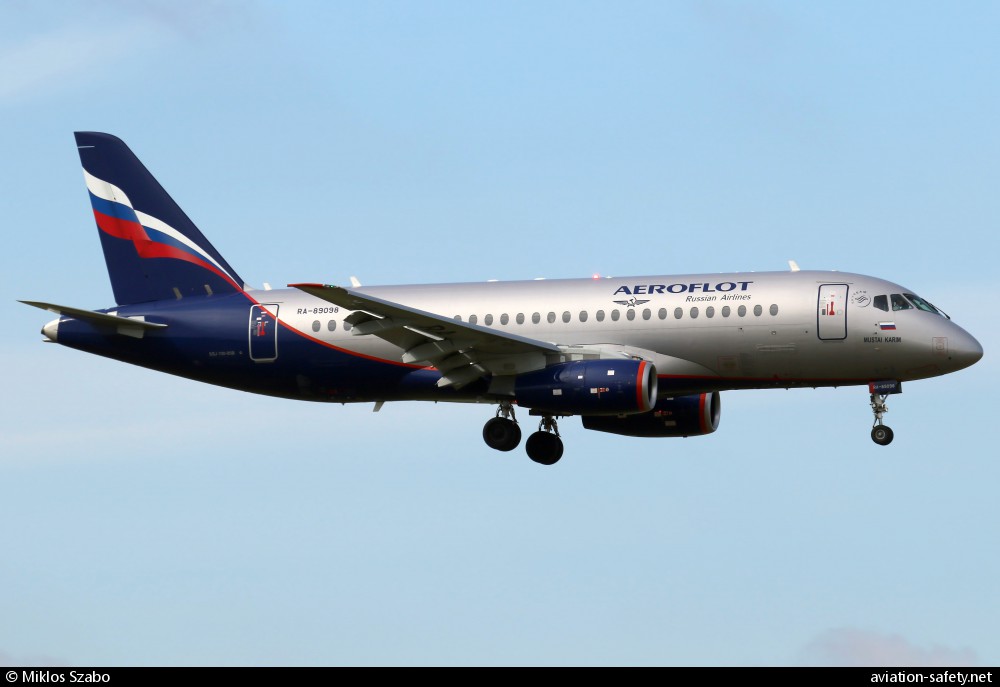
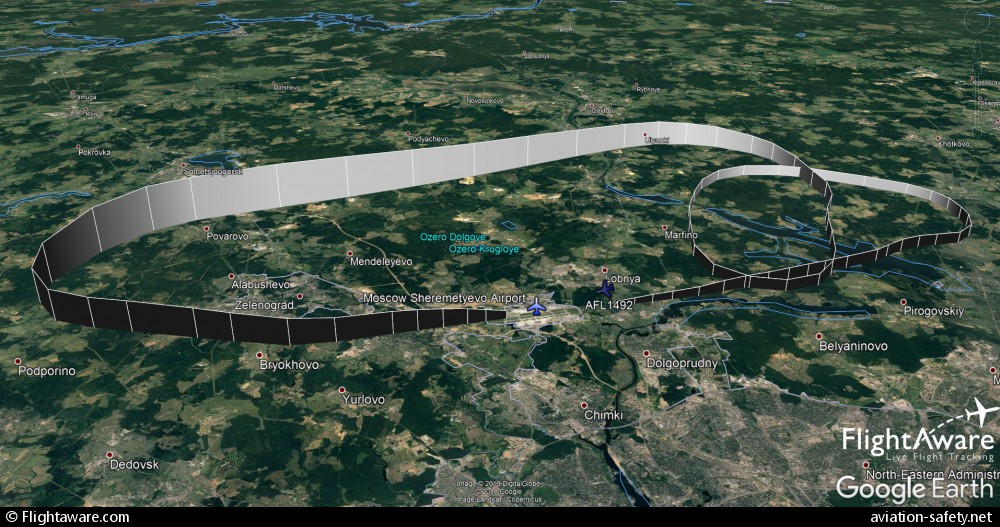
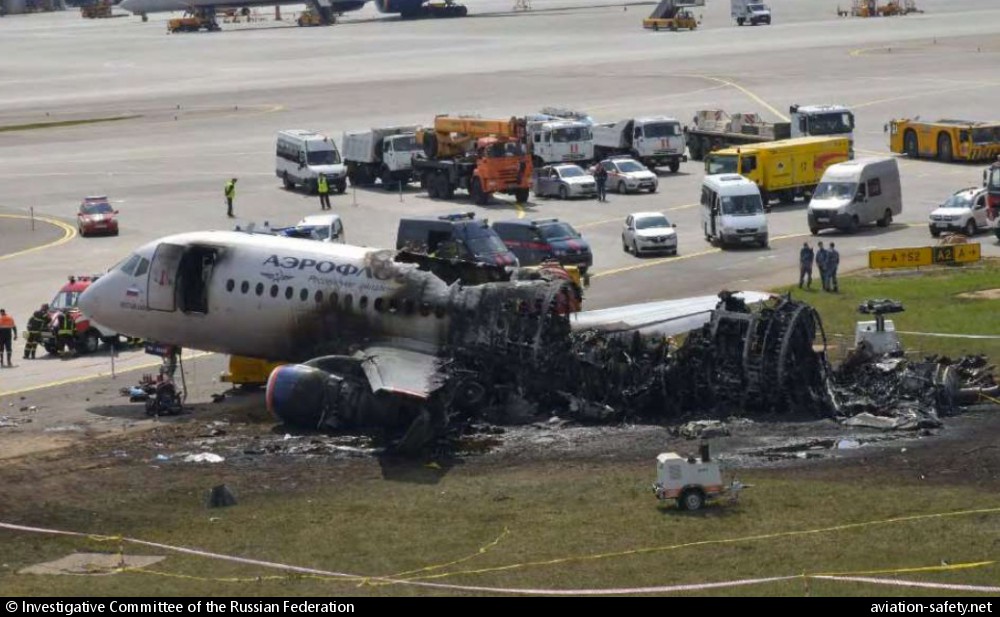
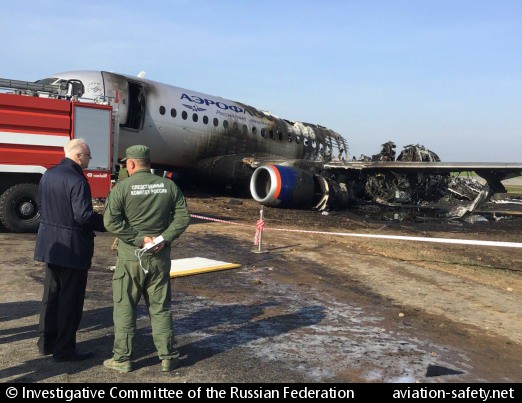
- Sukhoi Superjet 100 (May 5, 2019):
- Flight Details: This aircraft was ferrying from Sheremetyevo International Airport in Moscow to Murmansk for maintenance.
- Incident: Shortly after takeoff, the aircraft returned to Sheremetyevo and crash-landed, resulting in a fire that killed 41 of the 78 occupants. The investigation pointed to a combination of pilot error and system failures.




- Air Philippines Flight 541 (2000): Another ferry flight to undergo maintenance (route check), crashed into a coconut plantation on a hillside in Barangay San Isidro, disintegrated and caught fire resulting in 131 fatalities.

In the case of the Saurya Airlines flight, the aircraft was scheduled for a C-check at Pokhara. According to international aviation regulations, any maintenance ferry flight must be thoroughly planned and executed under strict safety protocols. The responsibility lies with the airline to ensure that the aircraft is in a safe condition for the flight, even if it is being flown to a maintenance facility. Moreover, ethical considerations mandate that airlines should not undertake ferry flights with known significant defects or insufficient fuel, as illustrated by the examples above as well.
Family Members on Board and International Aviation Regulations
Among the passengers on the ill-fated flight were family members of the technicians, underscoring the tragedy’s profound personal impact. The inclusion of non-essential personnel on maintenance flights is not standard practice and is against the international aviation regulations, governed by organizations such as the International Civil Aviation Organization (ICAO). It raises questions about compliance with international aviation safety regulations, which mandate strict protocols for such operations.
Insurance and Liability
Under international aviation rules, passengers on such flights, including non-revenue ones, are generally covered by the airline’s insurance. This ensures compensation for the victims’ families. However, the responsibility lies heavily on the airline to justify the presence of non-essential personnel on a maintenance flight. The ethics and liability aspects come into sharper focus here, emphasizing the need for adherence to strict safety and operational protocols.
Ethics and Airline Responsibility
The tragic incident raises critical ethical questions about airline responsibility and the protocols for conducting ferry flights. Airlines must prioritize safety and ensure that all flights, especially those involving maintenance, adhere to the highest standards. The presence of family members on board a maintenance flight points to potential lapses in these standards, necessitating a thorough investigation and reassessment of policies to prevent future occurrences.
Investigation Commission and National Mourning
The government has formed a five-member commission, led by former Civil Aviation Authority Director General Ratishchandra Lal Suman, to investigate the Saurya Airlines crash. This commission, which includes experts from various fields, has a 45-day deadline to complete its work. Additionally, the government has decided to lower the national flag to half-mast on Thursday (tomorrow) to mourn the 18 victims of the crash. This decision was made in an emergency Cabinet meeting, which also mandated regular technical inspections for all domestic airlines to prevent future accidents.
The Saurya Airlines crash, much like the Simaltal bus incident, serves as a stark reminder of the critical need for strict safety measures, regulatory compliance, and proactive risk management. Both events highlight the devastating consequences of neglect and underscore the importance of continuous improvement in safety standards across all modes of transportation.
Maintenance ferry flights, while essential for the upkeep of aircraft, require detailed planning and execution to mitigate the risks involved. This tragic event highlights the need for continual improvement in aviation safety standards and practices to prevent such incidents in the future. We do not have any option but to learn from these tragedies and implement robust safety procedures to prevent such incidents in the future and to ensure the safety people. And, this need to be formulated and implemented ASAP.


