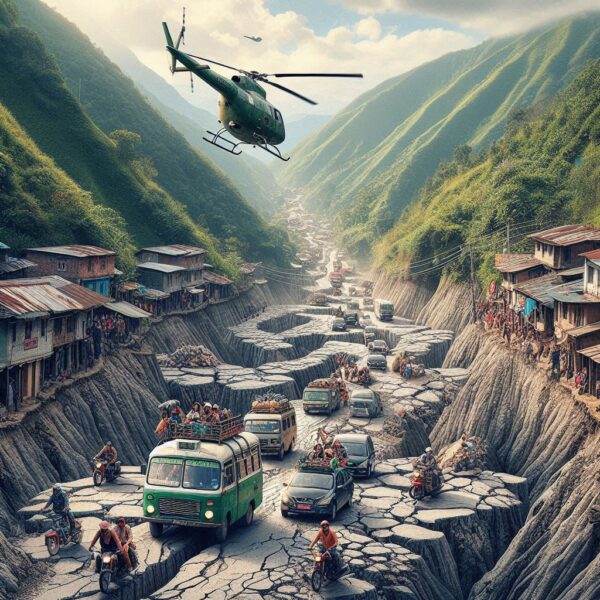
Nepal, with its beautiful landscapes and complex terrain, demands excellent skill from its pilots. Yet, the aviation training environment in Nepal exposes a gap in preparing pilots to navigate the unique challenges posed by the country’s environment. Through the lens of the tragic Yeti Airlines crash, where pilot error was identified as a critical factor, we explore the necessity of incorporating advanced flight simulators to better prepare pilots for real-life scenarios.
The Path to Becoming a Pilot in Nepal
In Nepal, pilot training and licensing are governed by the Civil Aviation Authority of Nepal (CAAN). The process is structured to cater to different levels of aviation licenses, starting from the Private Pilot License (PPL) for recreational flyers to the Airline Transport Pilot License (ATPL) for airline captains. Candidates must meet strict educational and physical criteria before embarking on this demanding journey, which involves both theoretical knowledge and practical flying hours.
The Missing Link: Advanced Flight Simulators
Despite these strict requirements, a critical component missing from Nepal’s aviation training is the use of modern flight simulators. These simulators are indispensable for exposing pilots to a variety of flight conditions, including severe weather and mechanical failures. While global training institutions boast of state-of-the-art simulators, Nepal lags behind, leaving its pilots underprepared for the challenges of flying in one of the world’s most difficult aviation environments.
The flight simulator like the one below is so accurate that even FAA (Federal Aviation Administration) in USA considers the flight time here as flying hours. Watch the video as below:
However, the state of training in Nepal is not to the similar standard nor anywhere close to it. It does appear to be very basic and one that needs to improve significantly to create the actual replication of situation including equipment and essentials. This is still something but we require more to create a safer air-space in Nepal.



Learning from the Yeti Airlines Crash
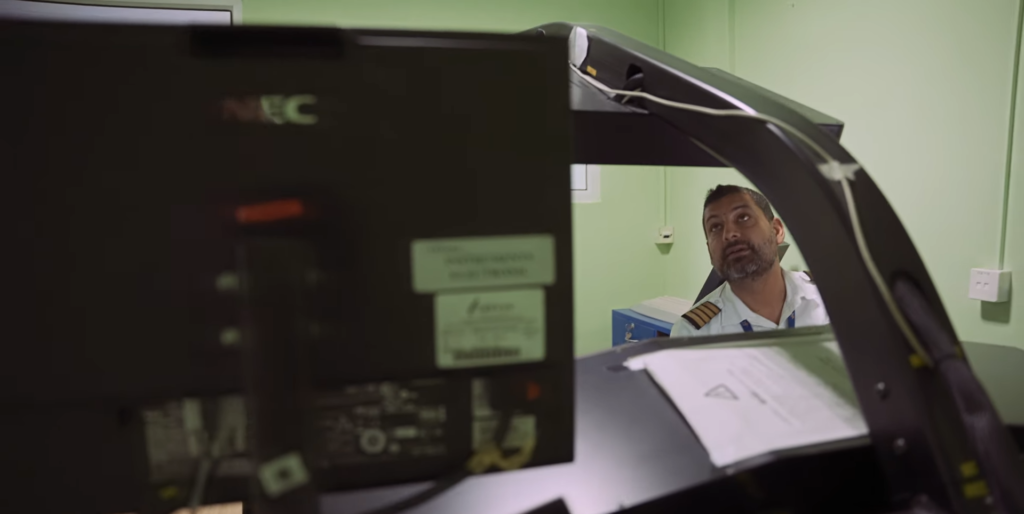
The Yeti Airlines crash serves as a sad reminder of the alarming need for improved training facilities. The incident, where pilot error was cited as a major cause, highlights the importance of equipping pilots with the skills to handle emergencies calmly and effectively. Advanced simulators can recreate the diverse and often difficult conditions found in Nepal, helping pilots develop the necessary composure and decision-making capabilities in crisis situations. If the first officer of Yeti Airlines had access to such training tools, it might have better prepared them for the unexpected, potentially averting the tragedy.
Simulating Nepal’s Unique Terrain
The complex geography of Nepal, characterized by high altitudes and unpredictable weather patterns, can be accurately simulated using advanced technology. Such realistic training can significantly enhance a pilot’s ability to react to sudden changes in conditions, reducing the risk of accidents.
Case Studies from Global Aviation
Learning from other countries’ experiences can offer valuable insights. For instance, the successful emergency landing of US Airways Flight 1549 on the Hudson River in 2009 was partly attributed to Captain Chesley “Sully” Sullenberger’s extensive simulator training. These tools had prepared him to make split-second decisions, ultimately saving all 155 people aboard. The incident was dubbed the “Miracle on the Hudson” by then-New York Governor David Paterson. This example demonstrates how critical simulator training can be in developing a pilot’s crisis management skills.
Potential path forward
1. Investment in Simulator Technology: Modern flight simulators range in cost from USD 7.5 to 15 million depending on the make and model being replicated. This investment, although substantial, is crucial for providing pilots with realistic, hands-on experience. The benefits of such an investment extend beyond pilot preparedness, as it also contributes to a safer aviation environment.
What we have available mostly in Nepal is entry level flight simulator through the use of Microsoft flight simulator and/or few screens which would cost around $2,500-3,000. This is no where close to the actual simulator which does give the feel of being within the cockpit and the true sense of motion, sound and all other indications. All of which are critical for getting the actual vibe. It is not a video game after all.
Nepal should at least have one proper simulator available such that the pilots can be trained on local conditions and challenges. For anyone flying domestic, being trained on the conditions of South Africa, Philippines, US, Canada, or Australia (where most of the Nepali students study at) is not going to help to overcome local terrain and challenges pilots face here.
Nepal could also consider standardizing flight models for new additions ensuring that the simulator for the new model is available locally before that being made available for commercial use.
2. Strengthening Government and Private Sector Partnerships: Collaboration between the government and private aviation stakeholders is essential to modernize training facilities. By working together, they can create high-quality training centers, offer financial incentives, and establish scholarships to support aspiring pilots.
3. International Collaboration and Regulatory Reforms: Partnering with international aviation training organizations can facilitate knowledge transfer and access to cutting-edge technologies. Such collaborations like ones with India’s Flight Simulation Technique Centre (FSTC) to help pilots train on ATR72-600 which is one of the model that Nepal uses and for which they do have the simulator ready. Such collaboration can better prepare Nepali pilots by replicating Nepali environment. Using this provides total control over the training scenarios and conditions, including imitation of dangerous situations, with very minimal safety impact. It also helps to record the flight parameters and review the pilot’s performance, to ensure their fit to fly the type of aircraft. It eventually prepares pilot’s for the the proper response in difficult situations while preparing them to handle an unusual situation with the best possible outcome.
Additionally, CAAN should enhance its regulatory framework to ensure compliance with global best practices, strengthening a culture of continuous improvement in aviation training.
Nepal’s aviation sector stands at a crossroads, with a pressing need to modernize its training infrastructure. By investing in advanced flight simulators and embracing global best practices, Nepal can ensure that its pilots are well-prepared to face the unique challenges of flying in this mountainous region. This not only enhances safety but also solidifies Nepal’s reputation as a destination that prioritizes the well-being of its travelers.